
If you are planning a wildlife trip around sea turtles, the question is not just when is turtle nesting season, but which turtle, which beach, and what kind of experience you want. In Costa Rica, nesting happens across much of the year, but each species follows its own rhythm, and that timing shapes everything from where to stay to how far ahead you should plan.
That is one reason turtle trips can feel confusing when you first start researching. A traveler may read that Tortuguero is famous for turtles, while someone else is talking about Ostional, and both are right. These places are very different, and the best choice depends on whether you hope to witness a quiet night walk in the rainforest canals region, a mass nesting event on the Pacific coast, or simply increase your chances of seeing nesting activity during a broader nature itinerary.
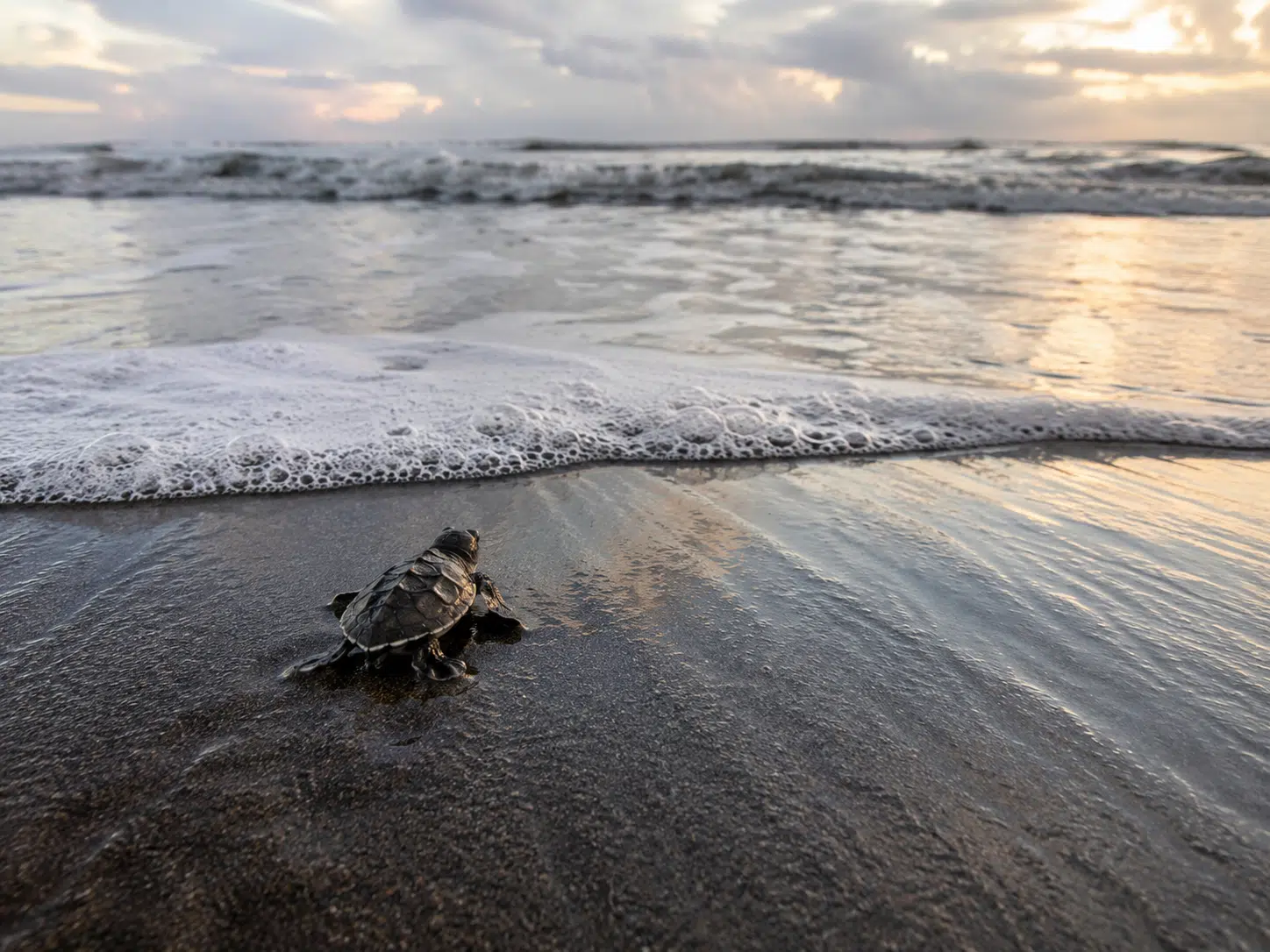
When is turtle nesting season in Costa Rica?
Costa Rica does not have one single turtle nesting season. The country hosts several sea turtle species, and each nests in different regions and months. Broadly speaking, you can find turtle nesting activity somewhere in Costa Rica in most months of the year, but the peak periods vary.
On the Caribbean side, Tortuguero is best known for green sea turtles, with the main nesting season generally running from July through October. Leatherback turtles arrive earlier, usually from March through July, with April and May often considered especially good months.
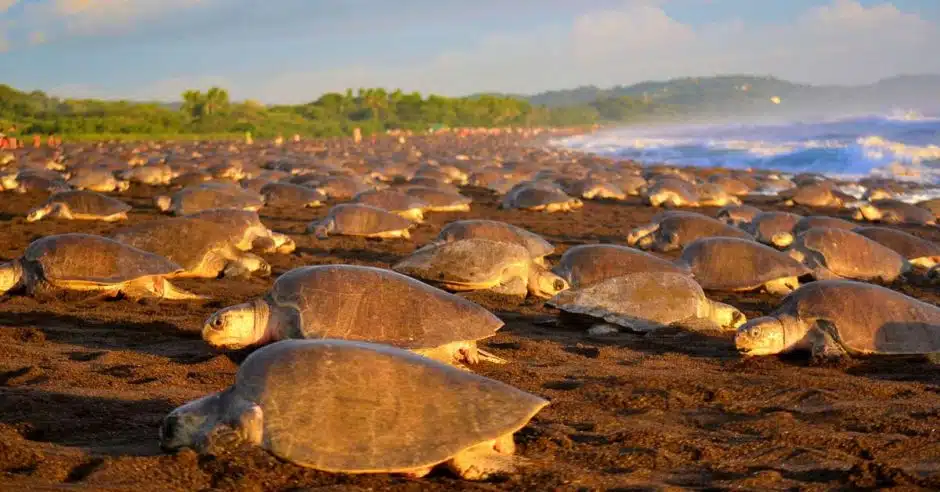
On the Pacific side, olive ridley turtles are the most widely discussed because of the remarkable arribadas, or mass nesting events, at beaches such as Ostional. These can happen year-round, but the strongest activity often occurs during the rainy season, especially from July through November. Hawksbill and black sea turtles also nest on certain Pacific beaches, though these are usually more specialized sightings and not the focus of most first-time travelers.
So if you are asking when is turtle nesting season for trip planning purposes, the honest answer is this: there is no one-size-fits-all season. There are better windows depending on the species and region you want to experience.
The best months by species and region
Tortuguero and the Caribbean coast
Tortuguero is Costa Rica’s classic turtle destination for many travelers, and for good reason. The combination of tropical rainforest, canal wildlife, and nighttime turtle patrols makes it one of the most memorable wildlife experiences in the country.
If your dream is to see green sea turtles nesting, aim for July, August, September, or October. August and September are often especially productive months. During this period, the beaches can host significant nesting activity, and the experience of walking quietly with a licensed local guide under carefully controlled conditions is powerful and intimate.
If you are more interested in leatherback turtles on the Caribbean coast, think earlier in the year. March through July is the main window, with April and May frequently offering strong chances. Leatherbacks are the giants of the sea turtle world, and seeing one come ashore is something many travelers never forget.
There is a trade-off, though. Tortuguero during turtle season is popular, and the best lodges and guides can fill well in advance, especially for prime green turtle months. If turtle nesting is a top priority, planning early matters.
Ostional and the Nicoya Peninsula
Ostional is very different from Tortuguero. This beach is famous for olive ridley arribadas, when thousands of turtles may come ashore over a short period. It is one of the most extraordinary wildlife events in Costa Rica, but it is also less predictable than many travelers expect.
Arribadas can occur throughout the year, but larger events are more common from July to November. The timing is influenced by lunar cycles, tides, rainfall, and other environmental factors, so no ethical operator should promise a guaranteed mass arrival on exact dates far in advance.
That uncertainty is important to understand. If you are flexible and excited by the possibility of witnessing one of nature’s great spectacles, Ostional can be incredible. If you prefer a more structured turtle-viewing experience with a steadier seasonal pattern, Tortuguero may be the better fit.
Other Pacific beaches
Costa Rica has other turtle beaches along the Pacific coast, including areas in Guanacaste and the South Pacific. Some support hawksbill, olive ridley, or black turtle nesting in more localized numbers. These experiences can be excellent for travelers already staying nearby, but they are usually more niche and often less suitable for someone building an entire trip around turtles alone.
This is where local planning helps. The best beach is not always the most famous one. It depends on your travel dates, your route through the country, and whether turtles are your main focus or part of a larger wildlife journey.
What travelers should expect during turtle nesting season
A turtle nesting experience is not a zoo visit, and that is exactly why it is special. Nights can be wet, dark, and slow. Sometimes you wait. Sometimes you walk for a while before finding activity. Sometimes the turtles arrive late. Nature sets the schedule.
For many travelers, that unpredictability becomes part of the magic. You are not watching a performance. You are entering a protected natural process with strict rules designed to reduce disturbance. A good guide helps you understand not just what you are seeing, but why silence, distance, and light restrictions matter.
Conditions also vary by region. Tortuguero often means humidity, boat access, rainforest sounds, and a wonderfully immersive atmosphere. Pacific turtle beaches can feel more open and coastal, sometimes with a stronger focus on the beach event itself rather than a broader rainforest setting.
If you are traveling with children or older family members, comfort and logistics matter too. Some turtle outings require walking on uneven sand in darkness and light rain. Others are easier to manage. This is another area where personalized trip design makes a real difference.
How to choose the best time for your trip
The best turtle season for you depends on what else you want from Costa Rica. If turtles are your number one goal, it makes sense to anchor your dates around the strongest nesting months for the species you hope to see. If your trip includes rainforest wildlife, birding, sloths, monkeys, or a mix of beaches and mountains, then your ideal window may be a compromise.
For example, August and September are excellent for green turtles in Tortuguero, but they are also part of the rainy season in much of the country. That is not necessarily a problem. Rainy season travel in Costa Rica can be beautiful, lush, and full of wildlife, but it does require the right expectations. Some travelers love that richer, greener atmosphere. Others prefer drier weather and are willing to trade a bit of turtle activity for it.
The same goes for arribadas at Ostional. If your heart is set on seeing a major mass nesting, flexibility is your friend. If your vacation dates are fixed and you want the highest chance of seeing turtles with less uncertainty, a destination with a more defined seasonal pattern may feel more comfortable.
Responsible turtle watching matters
Sea turtle nesting is one of the most sensitive wildlife experiences in Costa Rica. That is why where you go and who guides you matter just as much as when you travel.
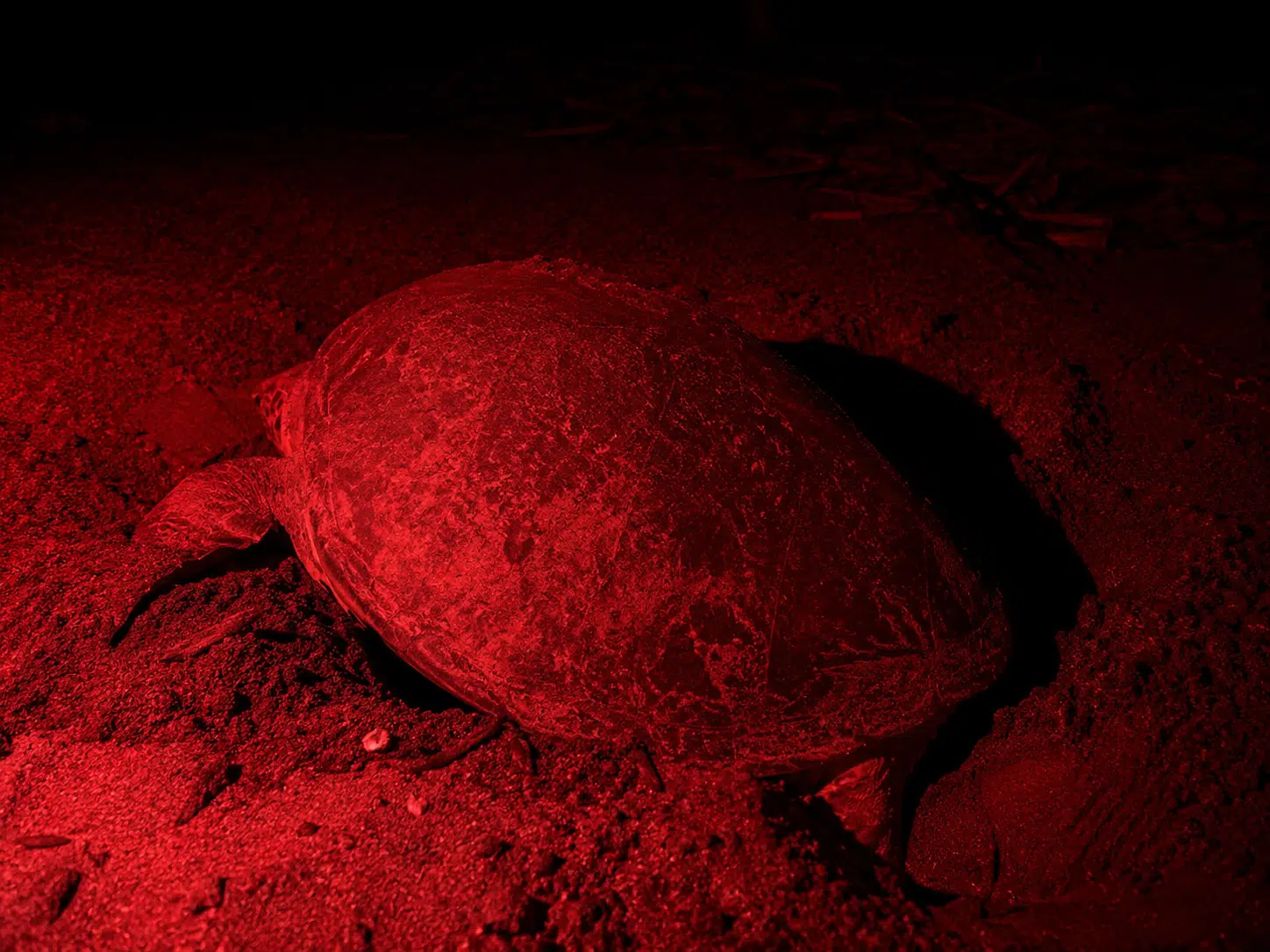
Ethical turtle viewing should always follow local regulations, use authorized guides where required, and prioritize the turtles over the photo opportunity. Bright lights, flash photography, crowding, and approaching turtles at the wrong moment can disrupt nesting behavior. Responsible guiding protects both the animals and the quality of the experience.
This is also why we encourage travelers to be cautious with overly simplified promises online. A meaningful turtle trip is not just about showing up on a famous beach. It is about understanding the season, the species, the conditions, and the conservation rules that protect these animals for the future.
At Costa Rica Wildlife Tours, we often help guests match the right region and timing to the kind of experience they actually want, not just the one that sounds best in a quick search result. That usually leads to a better trip and a more respectful wildlife encounter.
When is turtle nesting season if you only have one trip?
If you are visiting Costa Rica once and want the clearest answer, here it is. For the most classic turtle nesting experience, Tortuguero from July to October is a very strong choice, especially for green turtles. If you are traveling in spring, Tortuguero for leatherbacks can be excellent. If you are drawn to something rarer and less predictable, Ostional during the rainy season may be worth building around.
The right season is the one that matches your dates, your wildlife priorities, and your travel style. A great turtle experience is not only about seeing a turtle on the beach. It is about being in the right place, at the right time, with the right expectations, so the moment feels real, respectful, and unforgettable.
If turtles are high on your Costa Rica wish list, start with the season, then let the rest of the itinerary grow around it. That is usually how the most memorable wildlife journeys begin.