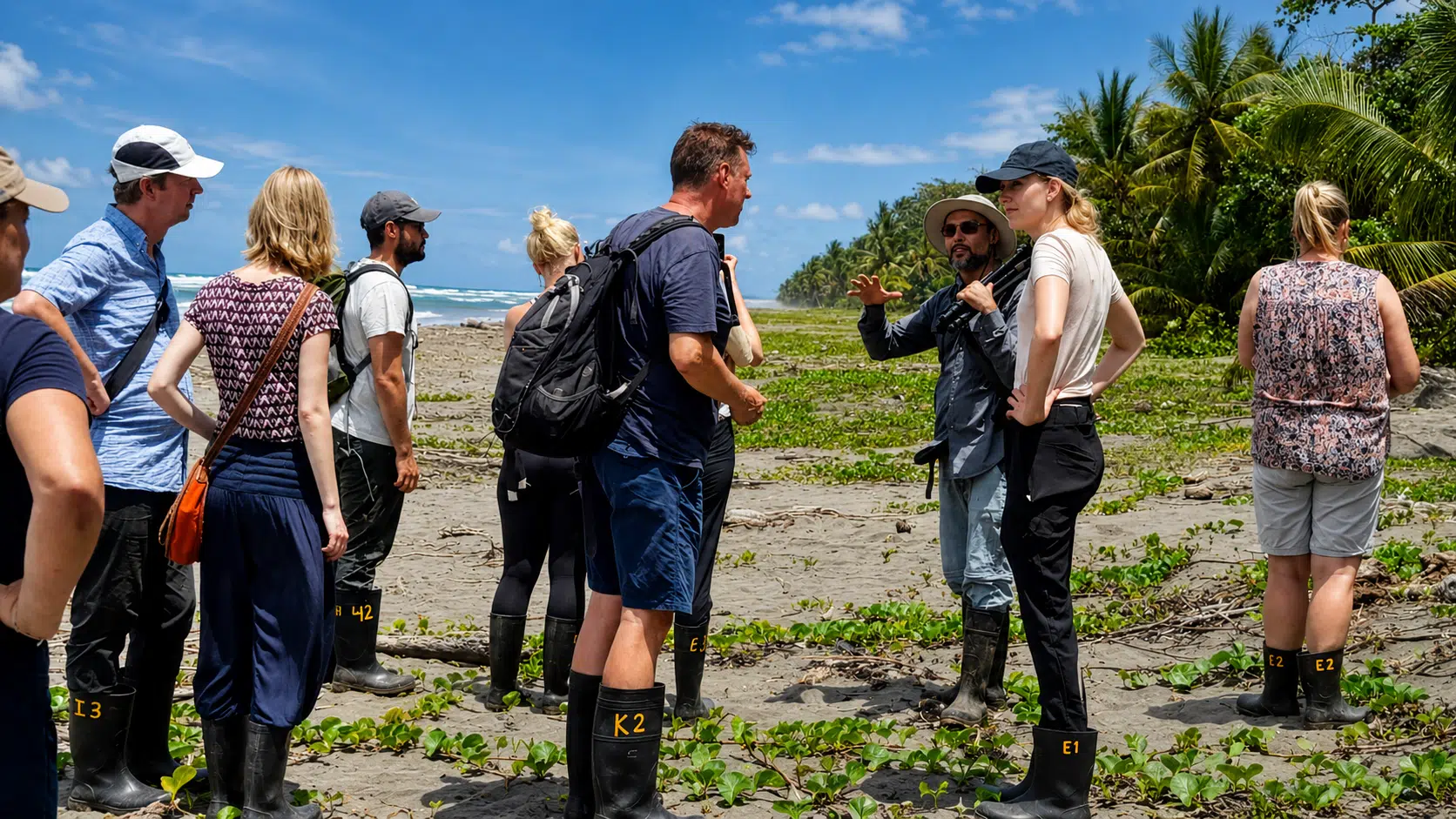
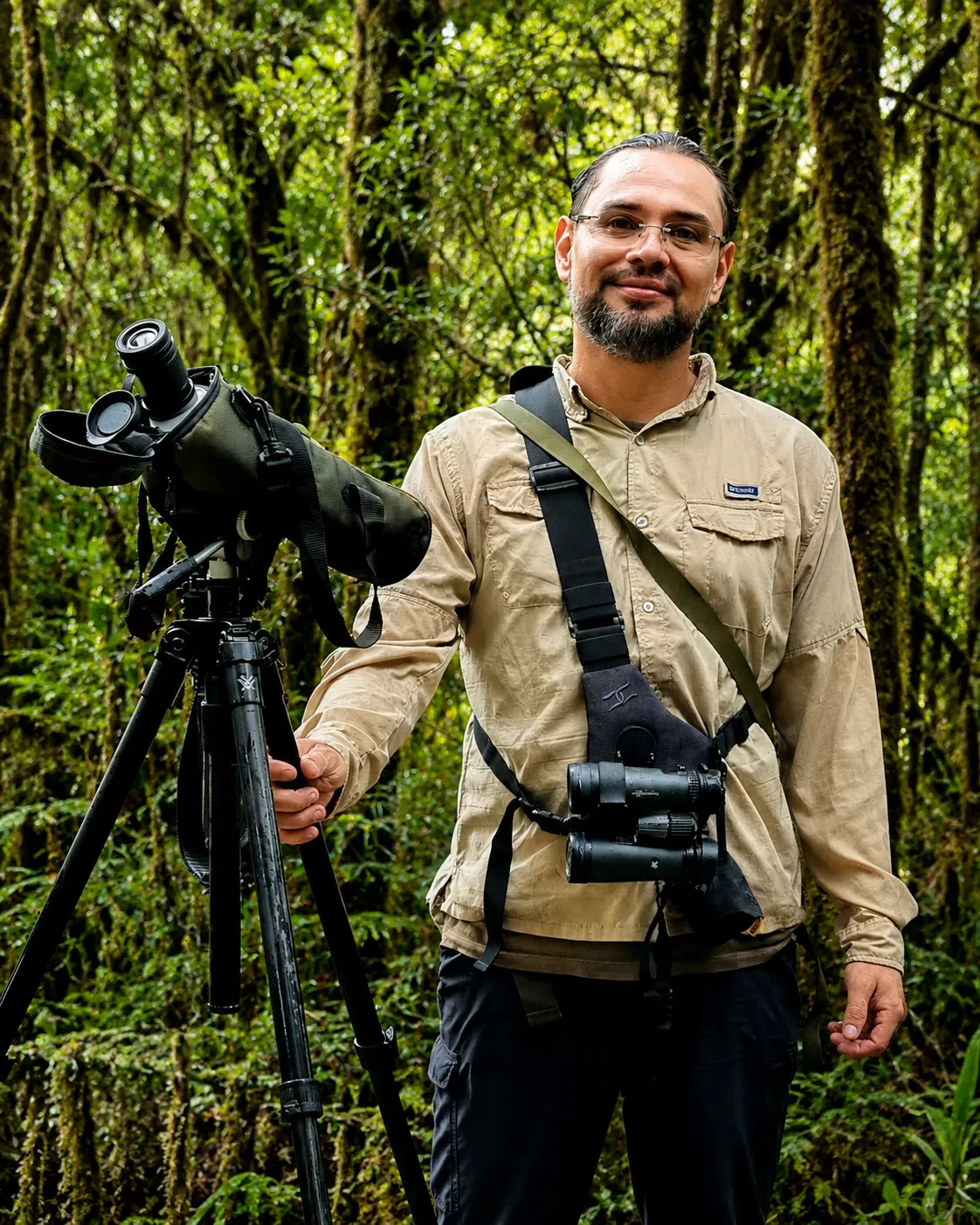
The Turtle Nesting Season in Tortuguero is one of Costa Rica’s most powerful wildlife experiences, but for me, it is also a deeply personal part of my life as a naturalist guide. I lived in Tortuguero for six years, starting in 2018, and during that time I worked as a licensed turtle nesting tour guide, known by SINAC as a Promotor Turístico. Since then, I have experienced several nesting seasons, walked the beach at night with visitors from around the world, worked alongside local guides, biologists, spotters, and conservation-minded colleagues, and learned that turtle watching is much more than a tour. It is a responsibility. In this article, I want to share not only what makes Tortuguero’s turtle nesting season so special, but also how the tours work, why the rules matter, and what this experience has meant in my own life as a guide.
There are places that you visit once and never forget. And then there are places that become part of who you are.
For me, Tortuguero is one of those places.
I first arrived in Tortuguero in 2018, and what began as a chapter in my guiding career became one of the most meaningful experiences of my life. I lived there for six years, surrounded by rainforest, canals, Caribbean culture, rain, wildlife, and the powerful rhythm of the sea turtle nesting season.
During those years, I had the privilege of working as a licensed turtle nesting tour guide, known locally through SINAC as a Promotor Turístico. Season after season, night after night, I walked the dark beaches of Tortuguero with visitors from around the world, helping them experience one of Costa Rica’s most extraordinary natural events in a respectful and responsible way.
Even though I no longer live full-time in Tortuguero, I still work as a licensed turtle nesting tour guide. Every year during turtle nesting season, I return to Tortuguero with my own clients and also to support colleagues who continue working directly in the area.
One of those colleagues is Barbara Hartung, a German biologist and tour guide whom I had the privilege of working with during the years I lived in Tortuguero. Working alongside people like Barbara helped me understand that turtle nesting tourism is much more than a tour. It is conservation, education, teamwork, and deep respect for nature.
This blog post is not only about turtle nesting season in Tortuguero. It is also about what it feels like to live it, to guide it, and to understand why this experience must be protected.
Tortuguero is unlike most destinations in Costa Rica.
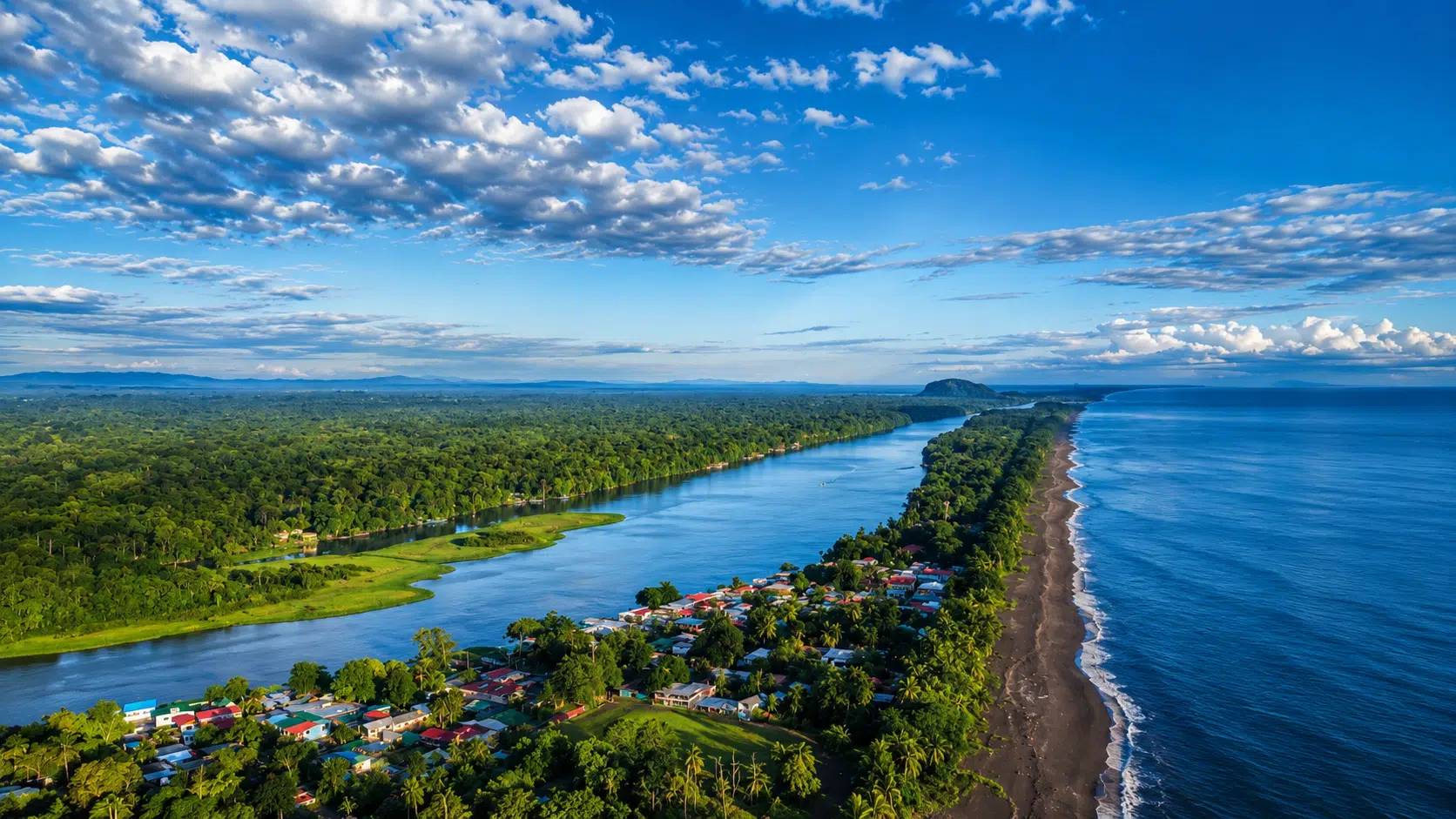
There are no roads connecting the village to the rest of the country. You arrive by boat or by plane. Life moves with the canals, the tides, the rain, and the sounds of the rainforest. In the morning, you may hear howler monkeys calling from the trees. During the day, boats move slowly through the waterways. At night, the beach becomes one of the most important natural stages in the Caribbean.
Tortuguero National Park protects canals, rainforest, wetlands, lagoons, coastal forest, and nesting beaches. It is one of Costa Rica’s most iconic protected areas and one of the most important sea turtle nesting destinations on the Caribbean coast.
But for many visitors, Tortuguero is especially famous for one unforgettable experience: watching sea turtles come ashore to nest.
When I started living in Tortuguero in 2018, I quickly understood that turtle nesting season was not just a tourist attraction. It was part of the identity of the community.
The entire village changes during the season. Visitors arrive with excitement. Local guides prepare for night tours. Conservation workers and park staff coordinate the protection of the beach. Regulations become part of the daily routine. The beach becomes a protected space where every movement, every light, and every step matters.
As a guide, I learned that a turtle nesting tour is not simply about seeing a turtle. It is about understanding the importance of silence, patience, timing, and respect.
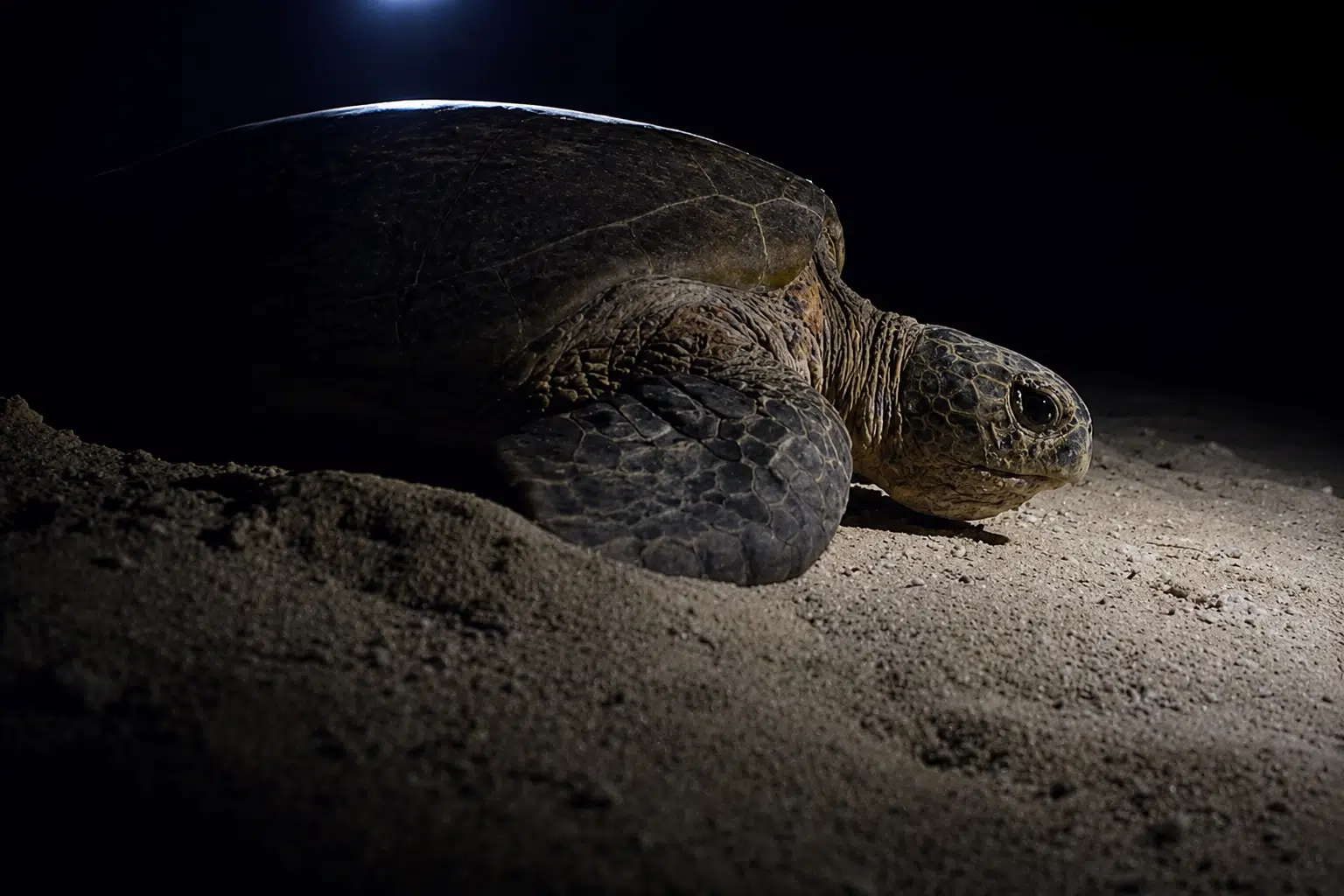
Some nights were rainy. Some nights were quiet. Some nights we waited for a long time before anything happened. And then, suddenly, there she was — a sea turtle emerging from the Caribbean Sea, slowly making her way across the dark sand to begin the nesting process.
Those moments never became ordinary to me.
Even after several seasons, every encounter felt powerful.
Tortuguero is one of the most important green sea turtle nesting sites in the world. For decades, this area has been internationally recognized for sea turtle conservation, research, and responsible turtle watching.
The main turtle nesting season that most travelers come to experience is the green sea turtle nesting season, which is generally associated with the months from July to October for visitor tours.
During this season, female green sea turtles return to the beach to lay their eggs. Many of them come back to the same region where they were born. This journey is one of the most fascinating migrations in the natural world.
As a guide, explaining this to travelers while standing on the beach at night always felt special. People often arrive expecting to “see a turtle,” but they leave understanding that they witnessed something much bigger.
They witnessed a natural cycle that has been happening long before Tortuguero became a famous destination.
Guiding turtle nesting tours in Tortuguero is different from guiding many other wildlife activities.
You are not just interpreting nature. You are also helping protect it.
As a licensed turtle nesting tour guide, or Promotor Turístico, my role is to help visitors experience the nesting season while following the rules established to protect the turtles. The beach at night is sensitive. Sea turtles can be easily disturbed by noise, lights, movement, and people getting too close.
A responsible turtle nesting tour requires discipline.
Visitors must follow their guide’s instructions. Photography is not allowed. White lights should not be used. People must keep a respectful distance. The group must move quietly and only approach when it is appropriate.
The goal is never to interrupt the turtle. The goal is to observe without changing her natural behavior.
That is one of the most important lessons I learned in Tortuguero: the best wildlife experience is not the one where we get closest. It is the one where the animal remains wild, undisturbed, and free to continue its natural cycle.
One of the things many visitors do not realize is how organized turtle nesting tours are in Tortuguero.
This is not a free-style night walk on the beach. During nesting season, access to the beach at night is strictly controlled to protect the sea turtles. The official turtle nesting tours are organized in two different shifts: 8:00 p.m. to 10:00 p.m. and 10:00 p.m. to 12:00 midnight.
In Tortuguero, guides work together with the help of the Spotting Program, locally known as the Programa de Rastreo de Tortugas. This program started in 2013 and has proven to be very successful in minimizing the impact of tourism on nesting sea turtles.
The system works with trained spotters who walk specific sections of the beach looking for turtles that are already in the right stage of the nesting process. Instead of having large numbers of tourists walking randomly along the beach searching for turtles, the spotters communicate with the guides and help organize when and where groups can safely approach.
This makes the experience much more respectful for the turtles.
As licensed turtle nesting guides, we are allowed to take a maximum of 10 tourists per guide during either one of the official tour schedules. Every guide must follow strict rules, and every visitor must follow the guide’s instructions at all times.
Before entering the beach, visitors are informed that they must wear dark clothing and avoid anything that can disturb the turtles. Once on the beach, flashlights, cameras, cell phones, smart watches, and other electronic devices are prohibited. The only person allowed to use a light is the licensed turtle nesting tour guide, and even then, only a red light can be used to illuminate specific moments when observation is permitted.
These rules are not exaggerated. They are necessary.
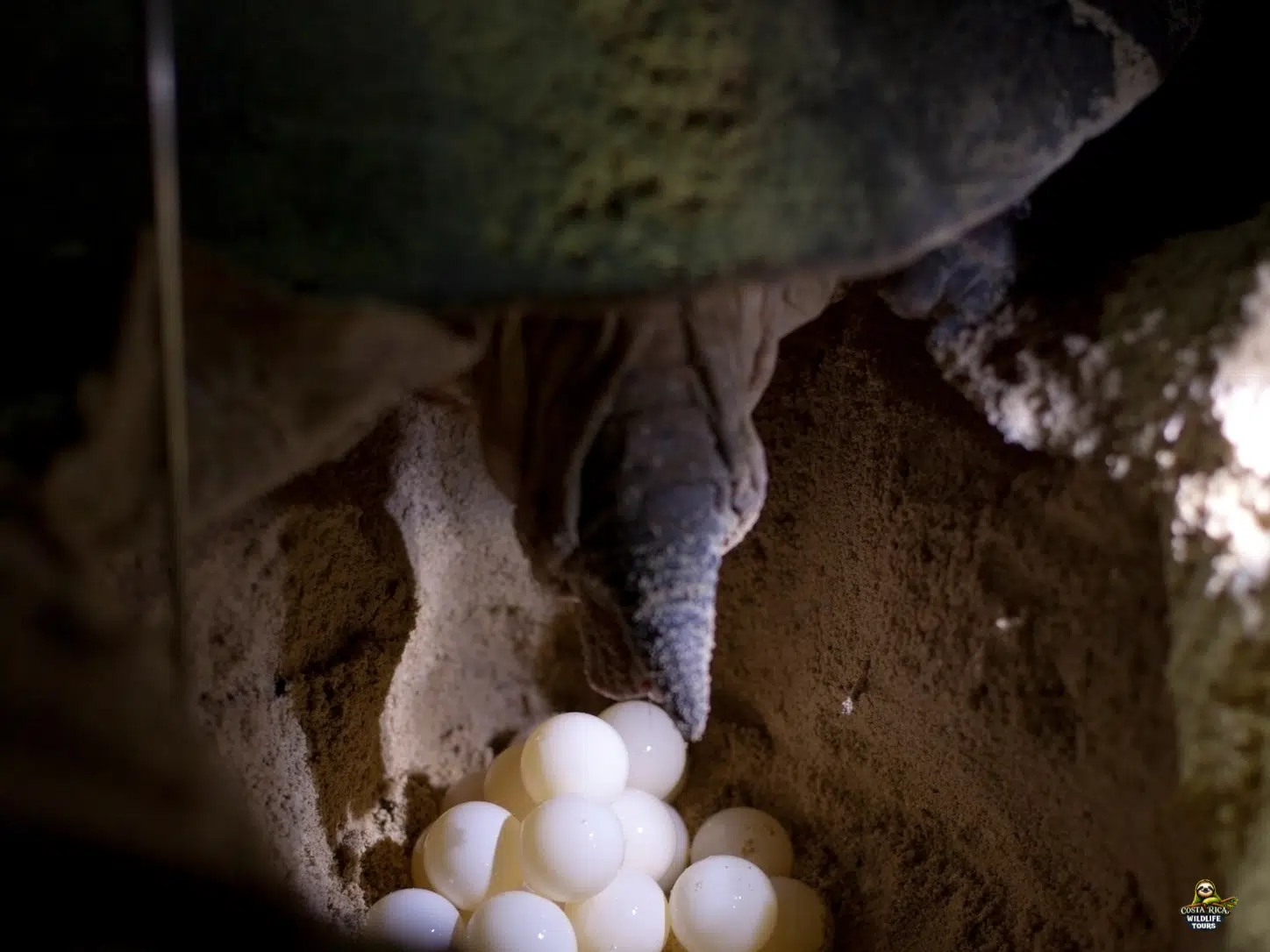
Sea turtles are very sensitive to light, movement, and noise, especially during the early stages of nesting. If a turtle is disturbed before she begins laying her eggs, she may return to the ocean without nesting.
That is why guides do not allow visitors to observe the entire nesting process.
The nesting process is divided into eight different stages, but tourists are only allowed to observe part of it. In most cases, visitors can observe the turtle once she has entered what many guides describe as her nesting “trance,” when she begins laying her eggs. At this point, she is less likely to abandon the nest, and the observation can happen with less risk of disturbing her natural behavior.
This is one of the most important parts of responsible turtle watching in Tortuguero. The goal is not to see everything. The goal is to protect the turtle while allowing visitors to witness a meaningful part of the process.
During the peak of the season, especially in August, Tortuguero can receive up to 1,000 visitors or more in one night for turtle nesting tours along approximately 8 kilometers of coastline used for these activities. That number may sound very high, but the experience is organized in a surprisingly efficient and respectful way.
This is possible because of the coordination between licensed guides, the spotters from the Programa de Rastreo de Tortugas, SINAC, and the local community. Everyone has a role. The spotters help locate turtles at the right stage. The guides control their groups. SINAC establishes and supervises the regulations. Visitors are expected to follow instructions and respect the rules.
After years of guiding turtle nesting tours in Tortuguero, I can say that this system is one of the reasons why tourism and conservation can work together when things are done properly.
For me, this is one of the most beautiful lessons of Tortuguero: even when many people come to witness the same natural event, the experience can still be responsible, organized, and deeply respectful when the community works together to protect the turtles.
Although I no longer live full-time in Tortuguero, my connection with this place continues every year.
I still return during turtle nesting season with my own clients, and I also support colleagues who continue working directly in Tortuguero. This allows me to keep sharing the nesting season in a responsible way while staying connected to the community, the conservation work, and the people who shaped my experience as a guide.
One of those people is Barbara Hartung, a German biologist and tour guide I worked with while living in Tortuguero. Her knowledge, professionalism, and dedication to nature have always been inspiring to me.
Working with Barbara and other local guides taught me that turtle nesting tourism depends on collaboration. It is not about one person. It is about a network of guides, conservationists, researchers, park staff, boat captains, local businesses, and community members who understand how valuable this natural event is.
For me, going back to Tortuguero each season is not just work.
It is a way of returning to a place that shaped my life as a guide.
A turtle nesting tour in Tortuguero usually begins after dark.
The village becomes quieter. The air feels humid. Sometimes you can hear the waves before you even reach the beach. Visitors are often excited, but as soon as the tour begins, the mood changes. People become quieter. They understand that they are entering a protected natural space.
Walking on the beach at night is a very different experience from walking there during the day. You do not see everything clearly. You listen more. You pay attention to movement, shadows, and signals from the official monitoring system.
And then, when the moment comes, the group approaches carefully.
Seeing a green sea turtle nesting is emotional. These animals are ancient, strong, and vulnerable at the same time. They have survived long migrations, natural predators, and many human threats. Watching one of them continue the nesting cycle makes you feel connected to something much older than tourism, older than roads, hotels…
Many visitors become silent. Some are surprised by the size of the turtle. Others are moved by how slowly and carefully she works. For many people, it becomes one of the most meaningful wildlife experiences of their trip to Costa Rica.
For me, as a guide, those reactions are always part of the reward.
Turtle nesting tours are not like regular night walks.
They require patience and respect. Nature does not work on a schedule. Some nights are very active, while others are slower. Turtles are wild animals, and sightings can never be treated like a show or guaranteed performance.
That is part of what makes the experience authentic.
Visitors should also understand that the rules are there for a reason. Sea turtles are sensitive during the nesting process, especially before they begin laying eggs. If they are disturbed too early, they may return to the ocean without nesting.
That is why licensed guides, park regulations, the Spotting Program, SINAC, and responsible tourism are so important.
A good turtle nesting tour should never feel rushed or invasive. It should feel educational, quiet, respectful, and meaningful.
If you visit Tortuguero during turtle nesting season, please keep these responsible wildlife watching guidelines in mind:
Responsible tourism helps protect the same turtles that travelers come to see.
In Tortuguero, turtle nesting tours are only possible because of a carefully organized system involving licensed guides, SINAC, and the spotters from the Programa de Rastreo de Tortugas. Visitors do not walk freely on the beach looking for turtles. Instead, groups wait for instructions, and guides only approach when a turtle is in the correct stage of the nesting process.
This system helps reduce disturbance and allows tourism to support conservation instead of harming it.
One of the things I loved most about living in Tortuguero was seeing how the turtle season connected people.
Local guides, conservation workers, boat captains, lodge staff, researchers, restaurant owners, and families all felt the importance of the season. Turtle nesting brought visitors, but it also brought responsibility.
For the community, sea turtles are not just wildlife. They are part of Tortuguero’s history, economy, conservation identity, and cultural pride.
As someone who lived there for six years, I saw how powerful this connection can be. I also saw how important it is that tourism supports conservation instead of damaging it.
When visitors choose responsible guides, respect the rules, and support local businesses, they become part of a positive cycle.
Tortuguero changed the way I understand guiding.
It taught me patience. It taught me humility. It taught me that nature does not exist for us, but that we are lucky when we are allowed to witness it.
As a naturalist guide, I have had many incredible wildlife encounters in Costa Rica. I have seen monkeys, toucans, sloths, crocodiles, frogs, snakes, and countless birds. But turtle nesting season in Tortuguero holds a special place in my heart because it combines wildlife, conservation, local culture, and personal memory.
Every nesting season reminded me that guiding is not only about showing animals. It is about helping people understand why those animals matter.
That is the kind of tourism I believe in.
If you are planning a trip to Costa Rica between July and October, Tortuguero is one of the best places to experience sea turtle nesting in a responsible way.
But I recommend visiting with the right mindset.
Do not come expecting a performance. Come expecting nature.
Come ready to walk quietly on a dark beach. Come ready to listen. Come ready to learn from your guide. Come ready to understand that the turtle you may see has traveled a long distance and is doing something essential for the survival of her species.
When experienced respectfully, a turtle nesting tour in Tortuguero can become one of the most unforgettable moments of your journey.
After living in Tortuguero for six years and guiding several turtle nesting seasons as a licensed turtle nesting tour guide, I can say this with honesty: Tortuguero is one of the most meaningful wildlife destinations in Costa Rica.
It is wild, remote, humid, beautiful, and deeply connected to the life cycle of sea turtles.
At Costa Rica Wildlife Tours, we organize Tortuguero experiences designed for travelers who want more than just transportation and lodging. Our goal is to help you understand the destination, enjoy the wildlife, support local communities, and experience turtle nesting season responsibly.
Every year, I return to Tortuguero during the nesting season with clients and colleagues. It is not only part of my work, but part of my personal story as a guide.
If you are visiting Costa Rica during turtle nesting season, I would be happy to help you plan a Tortuguero package that includes transportation, lodging, guided activities, and a responsible turtle nesting tour with authorized local guides.
Tortuguero is not just a place to see turtles.
It is a place to understand them.
And for me, it will always be part of my story.
© Copyright 2026.